Annual Climate Report 2026: Finland’s net emissions decreased by six per cent from previous year but there is still way to go to reach carbon neutrality
The clean energy transition continues to make good progress: the use of fossil energy sources keeps decreasing in industry, electricity production and heating. The trend in emissions takes us in the right direction, but more work will be needed in all sectors to reach the climate targets nationally and at the EU level.
The Government submitted the Annual Climate Report to Parliament on Thursday 25 June. Each year, the Government reports to Parliament on the trends in Finland's emissions and sinks and our progress towards climate targets under the national Climate Act and EU obligations.
According to the Annual Climate Report 2026, Finland’s net greenhouse gas emissions fell by six per cent from the previous year. Net emissions mean the difference between emissions and the sinks that sequester them.
Emissions decreased in all sectors:
- Emissions trading sector: -11% (large industrial and energy production plants, air and maritime transport within Europe and 50 per cent of maritime transport between the EU and non-EU countries)
- Effort sharing sector: -5% (domestic transport excluding air transport, part of agriculture, building-specific heating, waste treatment and incineration, non-road mobile machinery, F-gases and small industrial and heat plants)
- Land use sector: -3% (land use, land use change and forestry)
“We are making progress towards the climate targets while also strengthening our economic competitiveness and national security. The clean energy transition creates jobs and offers excellent opportunities to take climate solutions to the world,” Minister of Climate and the Environment Sari Multala says.
Energy transition boosts emission reductions in all sectors
The main reason for the decrease in net emissions in 2025 is the change in the energy system. The use of coal ended in the spring and the consumption of peat, oil and natural gas decreased as well. In electricity production wind and nuclear power have almost completely substituted for fossil production. Emissions from heat production follow this trend as the use of electric boilers, waste heat and bioenergy is growing.
In the effort sharing sector, the trend in emissions was mainly due to emissions from transport that started to fall again, thanks to the distribution obligation concerning renewable fuels and decrease in the consumption of fossil fuels. The electrification of transport is making progress and the number of plug-in vehicles is growing.
The land use sector is still a major source of emissions as the forest carbon sink has decreased in recent years. However, there was some decrease in emissions from farmlands and the sink of wood products grew, which reduced net emissions from the sector compared to the previous year.
Further actions needed to reach climate targets
Finland has less than ten years left to reach the carbon neutrality target by 2035 set in the Climate Act. The Climate Act also specifies emission reduction targets for 2030 and 2040. Emission reduction targets can be reached if the measures of the Energy and Climate Strategy are implemented in full and new solutions such as carbon dioxide capture will be introduced.
To reach carbon neutrality, emissions must be reduced in all sectors and carbon sinks must be strengthened in the land use sector.
The current estimate is that Finland will be able to meet its EU obligation for the effort sharing sector concerning the period 2021–2030 through the flexibilities, even if the emissions will exceed the quota in 2030.
Consistent climate policy to ensure investments and strengthen carbon sinks
At the moment, the Government is using subsidies to boost investments in renewable energy. Forest management practices are developed to promote better forest regeneration and denser tree stands and, through these, to support the growth of forests and strengthening of carbon sinks. At the same time, frameworks for carbon dioxide capture and storage are built through international cooperation.
“We have seen effective climate actions in all sectors of our society, especially in energy production. Climate policy must be consistent and have a long-term perspective, and it must give businesses the certainty to invest in clean, low-carbon solutions,” Minister Multala says.
In particular, the Government’s work to reduce emissions and strengthen carbon sinks is guided by the Energy and Climate Strategy and the Medium-Term Climate Plan published in autumn 2025. The Climate Plan for the Land Use Sector guides climate work in the sector, and a package of measures to strengthen forest growth and carbon sinks outlined by the Government is being implemented.
Besides climate change mitigation, Finland continues the work to prepare for the impacts of climate change and manage the risks related to these. This is promoted through the measures of the National Climate Change Adaptation Plan implemented in broad cooperation between administrative branches.
In 2025 steps forward were taken in different sectors in the work to promote climate change adaptation. The adaptation perspective has become increasingly important as part of the preparedness of society, and the management of climate risks has been developed at the regional and local level. At the same time, work has been done on foresight and communication and on strengthening the knowledge base so that adaptation measures can be targeted even more effectively.
Inquiries
Juuso Kilpinen
Special Adviser to the Minister of Climate and the Environment
tel. +358 295 250 128
[email protected]
Riikka Siljander (25 June and 29 June–2 July)
Senior Specialist
tel. +358 295 250 003
[email protected]
Sally Weaver (6–17 July)
Senior Specialist
tel. +358 295 250 121
[email protected]
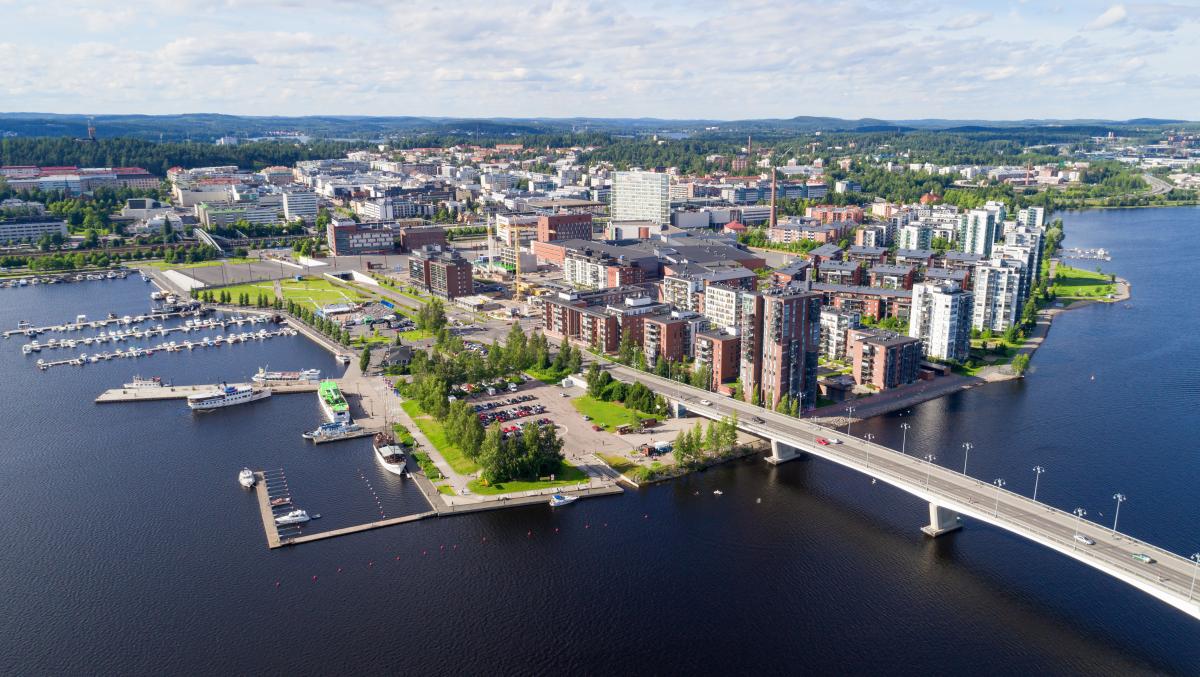
Photo © Adobe Stock
Ilmastovuosikertomuksen tiivistelmä | pdf
Annual Climate Report and Monitoring of Climate Actions in Previous Years | ym.fi