
Vantaa believes in nature-positive land use
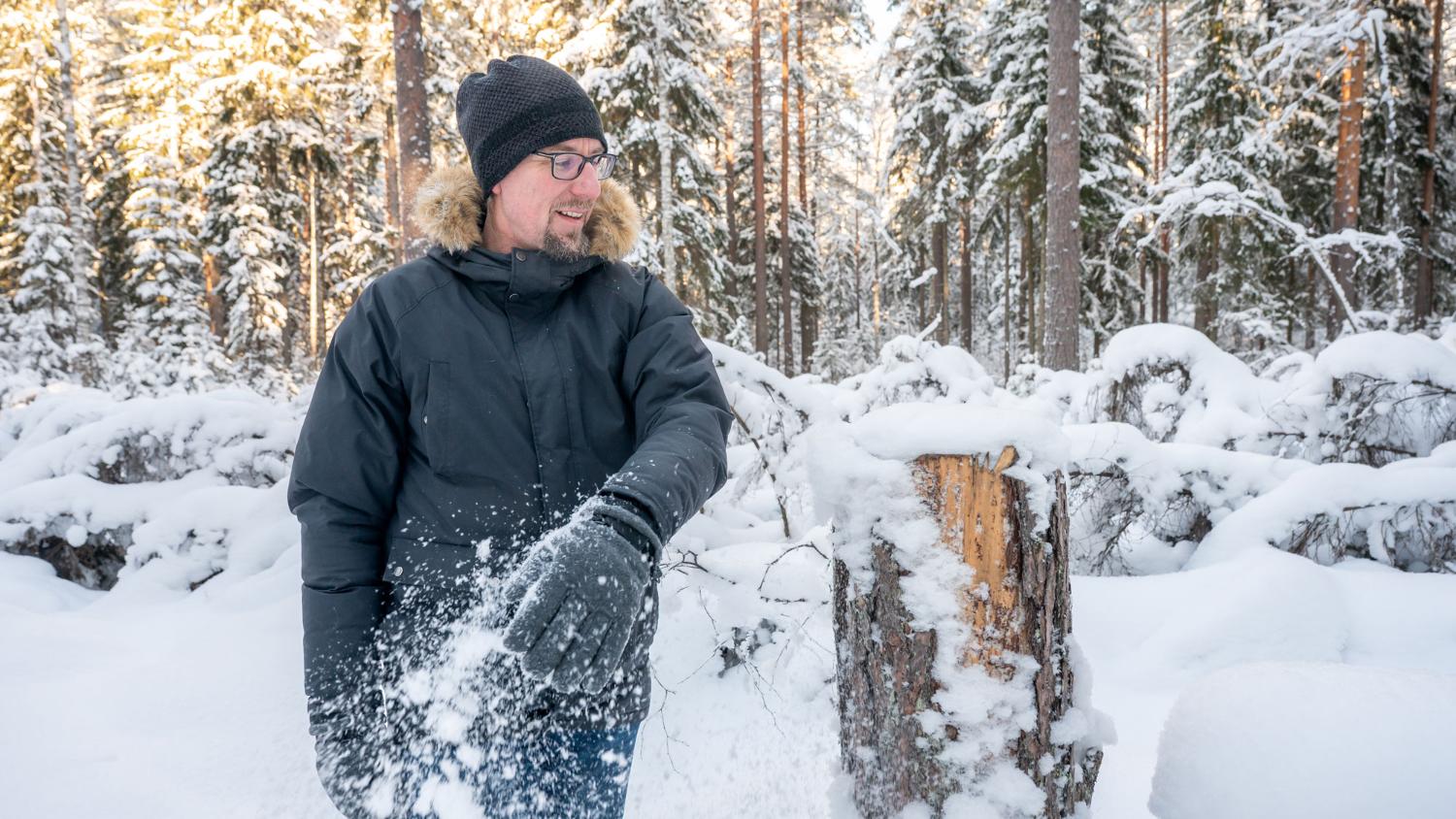
In 2025, the city of Vantaa implemented its first ecological compensation as part of the zoning project concerning the Finnish Immigration Service’s detention unit in Itä-Hakkila.
The weakening of the natural state when the heathland forest was cleared for building was offset in advance by improving the state of a heathland forest in the Palokallio offset site near the Sipoonkorpi National Park and Lake Kuusijärvi.
“We managed to complete the offsetting at the same time with the zoning project. Even if this is a learning process and we are doing something new, we were able to coordinate the schedules so that no nuisance was caused to the project. The fact that a pilot project like this could be implemented during the zoning project means that, even if implemented more widely, this does not prevent or delay the process if the offsetting market works well,” Environmental Officer Ville Selonen from the city of Vantaa says.
In practice the structural features of the spruce stand in the Palokallio area were altered by patch clearcutting, and the amount of decaying wood was increased. Old ditch networks were blocked as well.
Learning by doing
Selonen encourages other actors to be bold and test the new practice.
“Learning and doing something new always requires some time and effort, but this was not difficult. When you learn to do this, it is quite easy. We also wanted to set an example to other municipalities and show that ecological compensation is a feasible tool to halt biodiversity loss,” he says.
The city of Vantaa is committed to the nature-positivity target. To achieve this, offsetting of harm to nature, i.e. ecological compensation, is needed. Wider use of offsetting as part of land use planning requires a well-functioning nature values market where the projects can find ways to offset the harm to nature they have caused. The possibilities of the city itself to offer offset sites are quite limited and cannot meet all the needs.
Ecological compensation condition for new zoning plans
In Vantaa ecological compensation will be incorporated into land use planning. It will be required in all new zoning plans if the construction causes harm to nature. Nature-positivity is part of the city’s strategy.
“The aim is to always identify the possibilities to avoid and mitigate harm to nature in all stages of the planning. By 2030 the city together with its businesses and residents will actively offset more nature values lost in its area than what have been harmed by the city’s measures.”
Ecological compensation was included in the Nature Conservation Act in June 2023. Offsetting is voluntary, but the Finnish Supervisory Agency decides whether the offsets are adequate. The first thing to always aim for in ecological compensation is to completely avoid harm to nature. The next option is to mitigate the harm as much as possible. The harm to nature that cannot be avoided will be offset only as a last resort.
Halting biodiversity loss requires commitment from society as a whole. In our series of articles, we present the nature values market and cases where ecological compensation has been used from the perspective of different stakeholders. Through ecological compensation, adverse impacts on biodiversity caused by human action in a certain area are offset by enhancing biodiversity in another area. Nature values market is a new and evolving means for channelling private funding to the work for biodiversity.
Text: Sirpa Mustonen
Photo: Kimmo Haimi